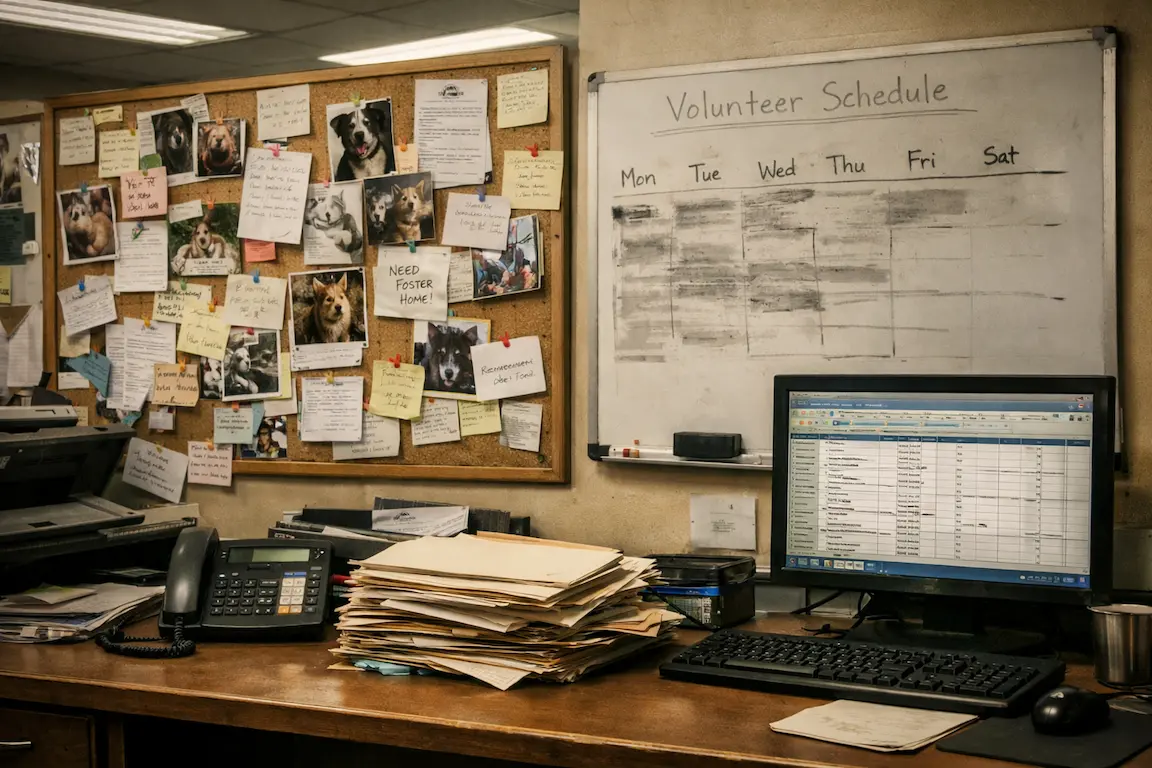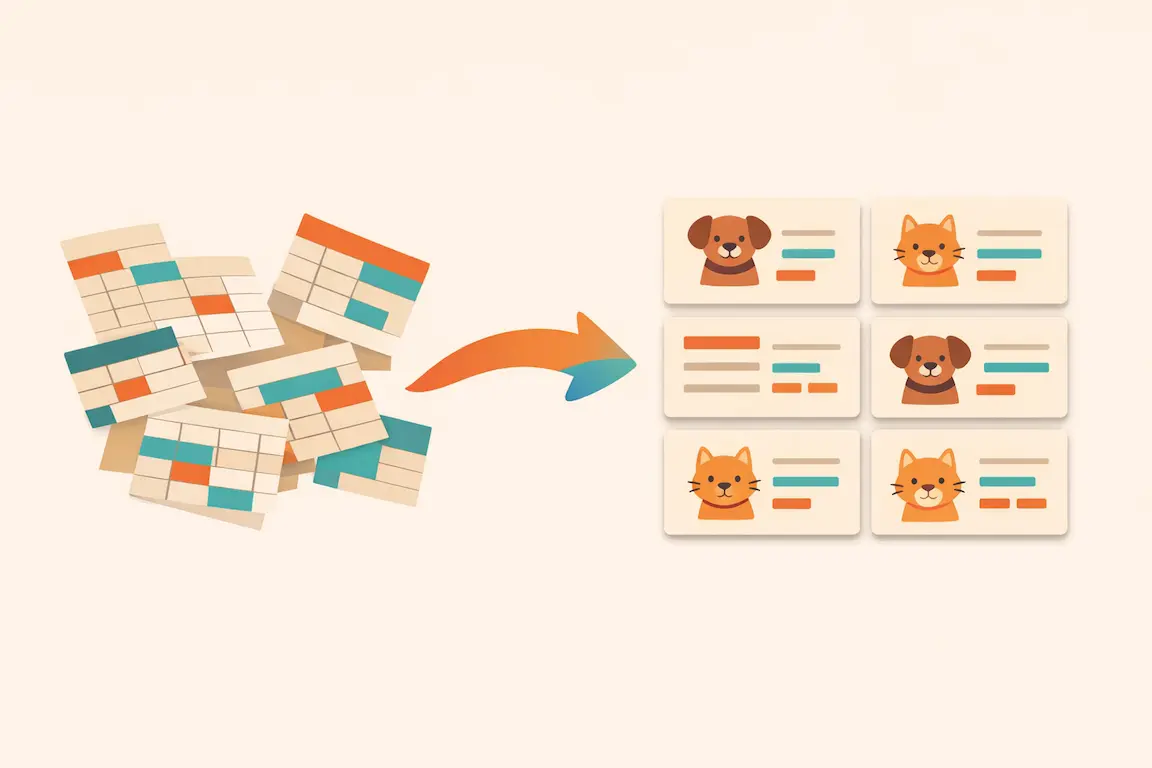
Every animal in your care moves through a series of stages: intake, medical hold, foster, available, adopted, and sometimes back again. Shelter animal management software records those moves. If the moves are recorded well, your team can see where each animal stands today, and your reports can show how animals move through your organization over time.
This guide focuses on a part of setup that many teams rush: statuses, placements, and outcomes. Getting them right early will save a lot of cleanup later.
Why statuses matter so much
A status looks like a simple label, but it often controls a lot. It can decide whether an animal shows up on your website, whether they count toward your population, and whether they appear on the daily care list. If your statuses are vague or inconsistent, all of those will be wrong too.
Keep your list short. Everyone should be able to explain what each status means and when to use it. If two people would choose different statuses for the same animal, combine them or define them more clearly.
A common starting list looks like this:
- Intake: arrived, and not yet evaluated
- Medical treatment or hold: in care, and not ready for adoption
- Stray hold: waiting out a legal or policy hold period
- Available: ready for adoption
- Adoption pending: an adopter has been chosen, and the adoption isn't final
- Adopted, transferred, returned to owner, deceased: the animal has left your care
PawPlacer starts new organizations with a similar list, which you can rename and organize in Settings. Each status belongs to one of three care states: in care, placed, or out of care. That care state controls counts and list views, and it determines which care reminders still apply. For example, an adopted pet no longer shows vaccine reminders.
Status and placement are different things
A common mistake is using status to record where an animal is. "Fostered" tells you the dog is in a home, but it doesn't say which home or whether the dog is available for adoption. A dog can be in a foster home and available at the same time.
It works better to treat these as two separate questions. Status describes where the animal is in your process. Placement describes who has the animal right now.
PawPlacer keeps them separate. Adding an interested adopter doesn't change a pet's status, and a foster assignment records who has the pet. Some events do affect both: completing an adoption changes the status to Adopted and ends any active foster placement. Each pet also has a Placements tab that shows its fosters, adopters, surrenders, donors, and transports.
Tracking holds
Stray holds and medical holds need a date attached. Otherwise, an animal can sit in a hold status well after the period has ended, and nobody notices until someone walks past the kennel and asks.
In PawPlacer, setting a pet to the Hold or Stray status lets you set a Hold Until date, which adds a calendar reminder. The hold doesn't lift automatically, so a person can confirm that no owner has come forward and decide what happens next. If an owner does come forward, use the Returned to owner status and record the date, which keeps the stay and outcome history accurate.
Recording outcomes accurately
Outcomes are the numbers people ask about most. To trust them, each animal's exit from your care needs a type and a date, and that date should be the day it actually happened, even if someone enters it later.
Pay particular attention to these situations:
- Returned adoptions. A pet who comes back has two outcomes to account for: the original adoption and whatever happens next. If you overwrite the first one, your adoption numbers and return rate will both be wrong.
- Transfers. Record where the animal went. Transfer partners may ask for records later, and so may you.
PawPlacer's Outcomes dashboard counts every move out of care in your selected date range as its own row, so a pet who was adopted, returned, and adopted again can appear twice. A separate count shows how many individual pets were involved.
Measuring length of stay
Length of stay is one of the most useful numbers a shelter can track. Long stays cost money, take up space, and can be hard on animals. Reviewing them can show where your process gets stuck, such as animals waiting on surgery or sitting without a good photo.
The calculation depends on your records. An accurate intake date and outcome date are required, and returns need careful handling. PawPlacer's Length of Stay dashboard starts a stay on the pet's intake date, or on the latest return to care if the pet came back, which follows how Shelter Animals Count treats a return as a new intake.
Looking back at one animal's history
Sometimes you need the full story of one animal. An adopter calls about an old injury, or a dog returned after two years has a new issue. You should be able to open the record and read what happened in order.
PawPlacer's History tab shows status changes with their previous and new values, along with medical completions, tasks, documents, and placements. You can search within it and filter it by category. Each section still holds its own details, so you can open the medical record or foster assignment behind any event.
Questions to ask about any platform
- Can you rename statuses and decide which ones appear publicly?
- Does the system track placement separately from status?
- Can you backdate an outcome when someone enters it a day late?
- What happens to the record when an adopted animal is returned?
- Can you filter reports by date range, species, and outcome type?
- Does the export include status history, or only the current status?
If you're still deciding which platform to use, our shelter software checklist has hands-on tests for intake, medical care, adoptions, and reporting.
Frequently asked questions
How many statuses should we have?
As few as your team can use consistently, often around ten. If you only need more detail for reporting, consider using tags or notes instead of adding another status.
Should a foster dog be marked Available or Fostered?
Decide on one rule and write it down. If your software tracks placement separately, you can mark the dog Available and record the foster assignment on its own, which keeps the dog visible to adopters.
Can we change our statuses later?
You can, but changes affect reports and public listings, so review those afterward. In PawPlacer, admins can rename statuses while the protected system behaviors, such as adoption handling, keep working.