You don't need a marketing degree to get your shelter animals seen online. A phone, some personality, and a willingness to post things that aren't perfect will get you most of the way there. The shelters that do well on social media are rarely the ones with professional photographers. They're the ones that show up consistently and let the animals do the talking.
Polished content usually flops
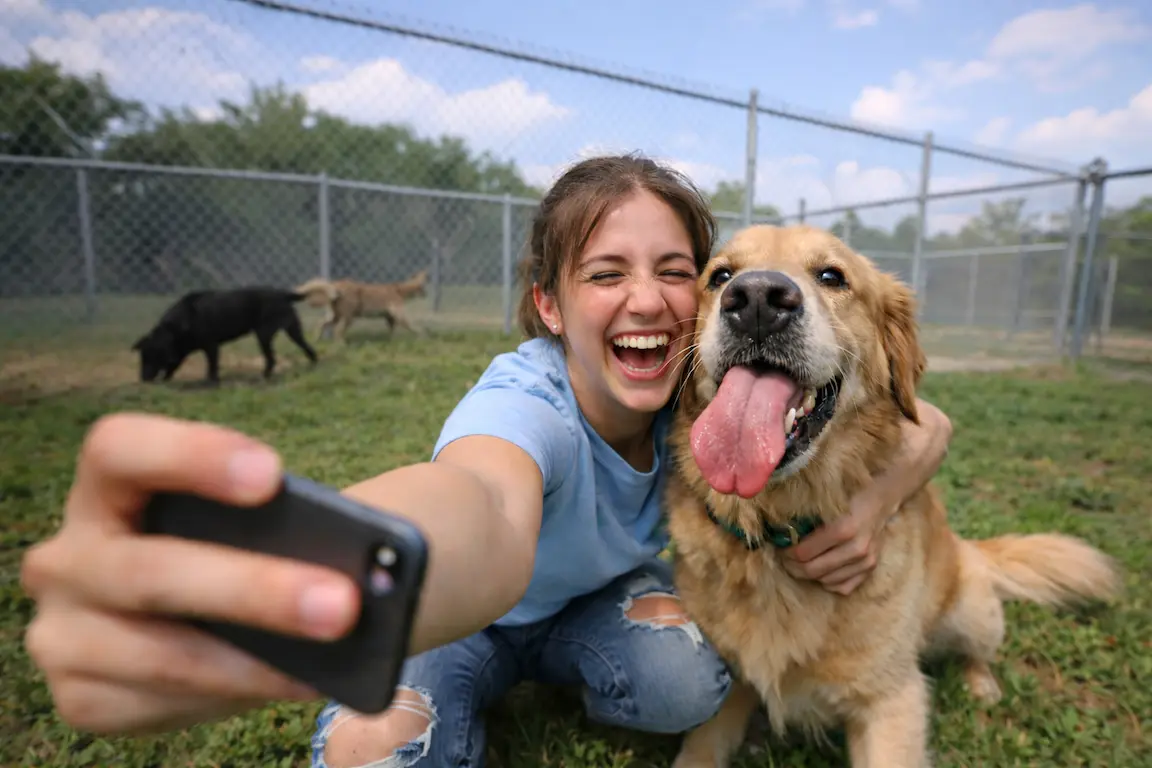
This sounds backwards, but stock-photo-looking posts tend to perform terribly for shelters. People scroll right past them because they look like ads. What stops the scroll is a blurry photo of a dog mid-sneeze, a cat giving the camera a look of absolute contempt, or a shaky video of a puppy discovering stairs.
People want to feel like they're peeking behind the curtain, not reading a pamphlet. The mess, the chaos, the 3 PM zoomies in the play yard. That's the content. Lean into it.
What gets shared
Before-and-after transformations. A matted, terrified dog on intake day next to that same dog six weeks later: fluffy, fat, grinning on someone's couch. People can't not share that. It makes them feel something, and it makes them want to be part of what you're doing.
Day-in-the-life stuff. People are weirdly fascinated by what happens inside a shelter. Morning feeding chaos, a vet check, playtime, a volunteer reading to the cats. Doesn't need to be dramatic. The everyday stuff is interesting enough on its own.
Adoption updates. When adopters send you photos of their pets living their best lives at the beach or hogging the couch, share them (with permission). Every happy adoption photo tells a potential adopter: this could be you. Better adoption outcomes start with great pet profiles.
The honest posts. A rough week, a medical emergency that drained your supply budget, the reality of being at capacity again. Those posts often get more engagement than the cute stuff. People want to support organizations that tell them the truth, not just the highlight reel.
A note on each platform
Instagram: Visual first. Reels under 30 seconds get the most reach. Use 5-10 relevant hashtags, not 30 random ones. Tag your location every time. Local reach is what drives real adoptions.
Facebook: Still the workhorse for most shelters. It's where your most engaged supporters actually are. Albums of new intakes do well. Don't sleep on Facebook Events for adoption drives: free promotion with built-in sharing.
TikTok: If you're not here yet, you're leaving a massive audience on the table. Point your phone at a funny animal, add a trending sound, post it. Some of the most viral shelter content ever was filmed in under 30 seconds with zero planning.
The urgency trap
One pattern shows up at a lot of shelters: every single post is "URGENT: This dog will be euthanized tomorrow!" Those posts work in true emergencies, but when every post is urgent, the audience gets numb to it and the page starts feeling like a guilt trip instead of a community.
Mix in the good stuff. For every desperate plea, share a few happy stories. People will stick around for a page that mostly makes them feel good and occasionally asks for help. If every post is heartbreak, they'll mute the page to protect their own sanity, and that audience is gone.
Making it sustainable
Consistency matters way more than frequency. Three posts a week, every week, beats posting daily for two weeks and then going dark. Pick a pace you can maintain and stick with it.
A few things that make the workload easier: batch your content (one hour a week for photos and videos, schedule them out), ask volunteers to drop photos and clips in a shared album, and keep your pet profiles updated with current photos and bios so creating a post is a quick copy-paste instead of a 20-minute writing session. This also feeds into boosting adoptions across channels.
And forget about going viral. A post that 500 people in your city see is worth ten times more than one 50,000 strangers in another state watch and scroll past. Build a local audience that actually shows up to adopt, donate, and volunteer. Everything else is just noise.